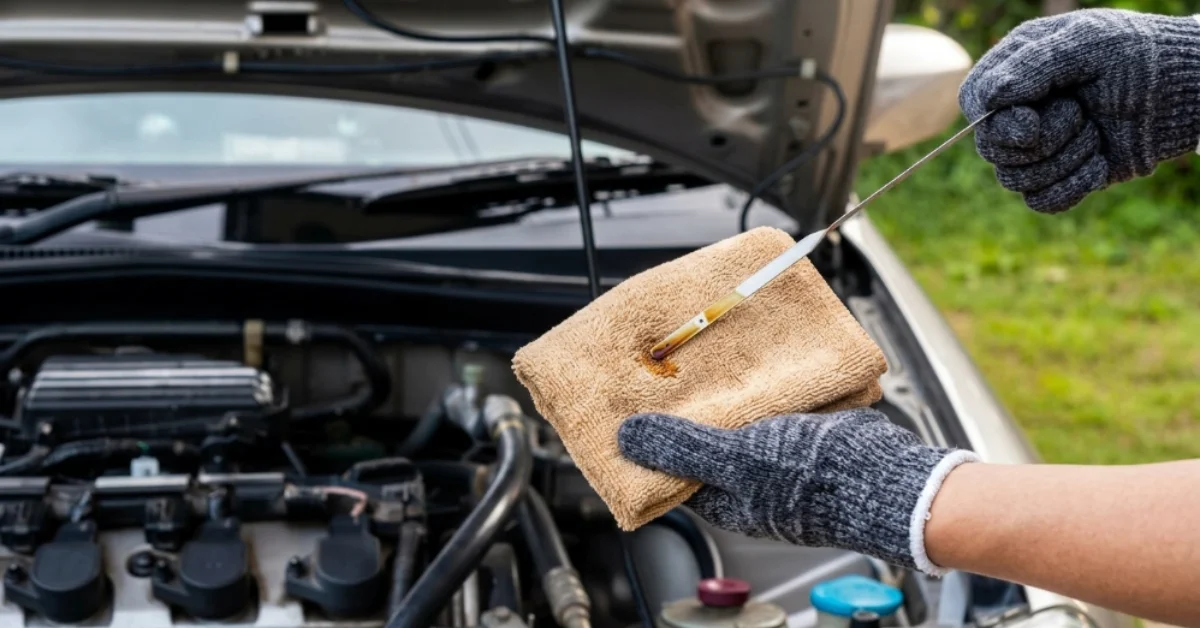
Your Audi is built for smooth, powerful performance, but that can change fast when one small thing goes wrong. Low transmission fluid is one of those problems that many drivers ignore until it becomes a serious issue.
When the fluid level drops, your gearbox starts to struggle, and the damage can grow quickly if left untreated. Low transmission fluid causes the gears to slip, which can make your car jerk or hesitate when shifting. The transmission also runs hotter than normal because there is not enough fluid to cool and lubricate the internal parts.
Over time, this heat and friction can destroy the clutch plates, valve body, and other expensive components inside the gearbox. In the worst cases, the entire transmission can fail, leaving you with a repair bill that could have been avoided with a simple fluid top-up.
Why Transmission Fluid Matters in an Audi?
Audi vehicles use a sophisticated automatic or S tronic dual-clutch gearbox that depends heavily on clean, properly filled transmission fluid. Audi transmission fluid does three important jobs at once. It lubricates the moving metal parts so they do not grind against each other.
It also acts as a hydraulic medium, helping the gearbox change gears smoothly. At the same time, it pulls heat away from the internal components to prevent overheating. Without enough fluid, none of these functions work properly, and the stress on the gearbox increases rapidly.
Common Signs That Your Audi Transmission Fluid Is Low
1. Gear Slipping or Delayed Shifting
One of the first things you will notice is that the gears slip or the car takes a moment before it responds when you press the accelerator. This happens because the hydraulic pressure inside the gearbox drops when the fluid is low.
The transmission cannot engage the gears with enough force, so it slips between them. You might feel a sudden jolt, a pause, or a strange revving sound before the car finally moves forward. This is your gearbox telling you something is wrong.
2. Strange Noises from the Gearbox
A healthy transmission runs quietly. When the fluid level is low, you may start hearing whining, humming, or clunking sounds coming from under the car. These noises happen because the moving parts inside the gearbox, such as the planetary gears and torque converter, are not getting the lubrication they need.
Metal starts rubbing against metal, which creates friction and noise. If you hear these sounds during gear changes, it is important to check the fluid level as soon as possible before the damage gets worse.
3. Overheating of the Transmission
Heat is one of the biggest enemies of any gearbox. Transmission fluid keeps the temperature inside the unit under control. When the fluid is low, the gearbox overheats quickly, especially in stop-and-go traffic or when driving at high speeds.
You might see a warning light on your dashboard or notice a burning smell coming from under the hood. An overheated transmission can cause the seals to crack, the clutch to burn, and the solenoids to fail. All of these repairs are costly and can be avoided with regular fluid checks.
4. Shuddering or Vibration While Driving
If your Audi shakes or shudders when it changes gears, low gearbox fluid could be the cause. The shuddering happens because the torque converter or clutch packs are not operating smoothly.
Instead of a clean, seamless gear change, the transition becomes rough and uneven. This vibration is not just uncomfortable. It also puts extra stress on the driveshaft, axles, and engine mounts. Over time, this chain reaction of damage can affect parts far beyond the transmission itself.
5. Warning Lights on the Dashboard
Modern Audi models are equipped with advanced diagnostic systems that monitor the health of the transmission. When the fluid level is low or the temperature goes beyond the safe range, the system triggers a warning light, often shown as a gear icon or a general engine warning.
Some models display a specific message through the Multi-Media Interface (MMI) screen. Do not ignore these alerts. They are the car’s way of asking for attention before something breaks down completely.
6. Fluid Contamination and Sludge Buildup
Low fluid does not just mean less lubrication. It also means the remaining fluid has to work much harder than it was designed to. As the fluid overheats and degrades, it breaks down chemically and turns into a dark, thick sludge. This sludge blocks the small passages inside the valve body and clogs the transmission filter.
Once the filter is blocked, even less fluid reaches the critical parts of the gearbox. The contamination spreads quickly, and at that point, simply topping up the fluid is not enough. A full fluid flush, filter replacement, and internal cleaning are required to restore proper function.
7. Delayed or Rough Gear Changes
A well-functioning Audi transmission shifts gears so smoothly that you barely feel it happen. Low fluid changes that completely. When there is not enough fluid to lubricate the clutch packs and valve body, the gear changes become slow, rough, and sometimes accompanied by a noticeable jolt.
You may press the accelerator and experience a pause before the car actually responds. This delay happens because the hydraulic circuits inside the gearbox are not getting the fluid pressure they need to operate the shift forks and clutch assemblies on time.
What Low Transmission Fluid Does to Audi Internals?
1. Damage to the Valve Body
The valve body is the control center of an automatic or dual-clutch transmission. It uses a series of small channels and solenoids to direct fluid pressure and manage gear changes. When the fluid is low, the pressure drops, and the valve body cannot route the fluid correctly.
This leads to erratic shifting, wrong gear selection, or the gearbox going into limp mode. Limp mode is a safety feature that limits the car to one or two gears to prevent further damage.
2. Wear on Clutch Packs
Inside the Audi transmission, clutch packs are used to engage and disengage different gear sets. These packs need fluid to stay cool and work properly. When fluid levels fall, the clutch material starts to wear down much faster than normal.
The friction material can burn and leave debris inside the gearbox. This debris then circulates through the fluid, causing even more damage to the internal components. Replacing clutch packs is an expensive job that requires a full transmission teardown.
3. Torque Converter Failure
The torque converter sits between the engine and the transmission. It transfers power from the engine to the gearbox using fluid. When the transmission fluid is low, the torque converter does not get enough pressure to do its job.
This leads to shuddering, slipping, and in severe cases, complete failure of the converter. A faulty torque converter usually needs to be replaced entirely, which adds significantly to the overall repair cost.
How Often Should You Check Audi Transmission Fluid?
Many Audi models are advertised as having a “lifetime” gearbox fluid that never needs changing. However, this claim is somewhat misleading. The fluid does degrade over time, especially in high-stress driving conditions.
Most Audi technicians recommend inspecting the fluid every 60,000 to 80,000 kilometers and replacing it between 80,000 and 100,000 kilometers, depending on usage. If you drive in heavy traffic, in very hot climates, or tow regularly, the fluid may need attention sooner.
Always follow the recommendation in your Audi owner’s manual and have a trained technician check the condition of the fluid.
Can You Top Up Audi Transmission Fluid Yourself?
It is possible, but it is not recommended unless you have technical knowledge. Audi gearboxes use specific fluid types depending on the model. For example, the S tronic uses a special DSG fluid, while the traditional automatic uses a different specification.
Using the wrong type can cause serious damage to the seals and solenoids. The fill port on many Audi models is also not easy to access, and overfilling can be just as harmful as running low. For the best result, always have a qualified Audi technician handle the fluid check and top-up.
What Happens If You Ignore Low Fluid for Too Long?
Ignoring the problem does not make it go away. It makes it worse. A small fluid leak or low fluid level can be fixed quickly and cheaply. But if you continue driving without addressing it, the gearbox will eventually fail.
Complete transmission failure means the car will not move at all. At that point, you are looking at a full rebuild or replacement, which can cost several thousand dirhams. The longer you wait, the more damage accumulates inside the transmission, and the higher the final repair bill becomes.
Conclusion
Low transmission fluid in an Audi is not a minor inconvenience. It is a warning that your gearbox is under stress and needs attention. The signs are easy to spot if you pay attention, including slipping gears, strange noises, overheating, and dashboard warnings. The internal damage, from worn clutch packs to a failed torque converter, can be expensive if ignored. Keeping the fluid at the correct level and in good condition protects the health of the entire drivetrain. Regular inspections are a small investment that can save you from a very large repair bill.
Is your Audi showing signs of gearbox trouble? Do not wait until the damage gets worse. Get your Audi transmission inspected and serviced by the experts at 800Sayara. Our trained technicians use manufacturer-approved fluids and diagnostic tools to keep your vehicle running at its best. Book your transmission service today and drive with confidence.