
Modern cars need proper care to run smoothly for a long time. One of the most important parts of a car is the transmission system, which helps the vehicle change gears without trouble. If this system is not maintained, the car can feel rough, slow, or even stop working properly.
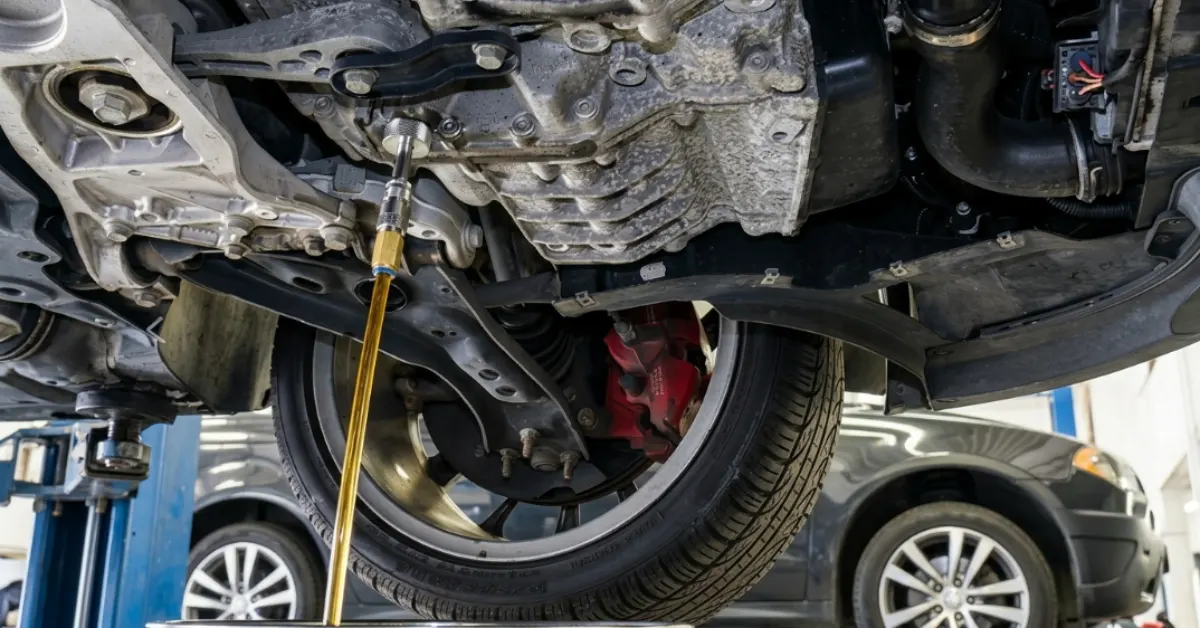
An Audi transmission fluid change becomes very important because the transmission fluid keeps all moving parts inside the gearbox cool and well-lubricated. First, old fluid is drained from the transmission system.
Then the transmission pan is cleaned to remove dirt and metal particles. After that, fresh fluid is filled according to the correct level. Finally, the system is checked for leaks and smooth gear shifting to ensure proper performance. This process helps protect the gearbox, improves driving comfort, and increases the life of the car.
What is Transmission Fluid and Why It Matters in Audi Cars?
Transmission fluid is a special liquid used inside the gearbox. It works like oil, but it also helps in cooling and hydraulic pressure. In Audi vehicles, this fluid plays a big role because modern gear systems are very sensitive. It keeps gears moving smoothly and prevents metal parts from rubbing against each other.
Without good fluid, the Audi transmission can become hot and damaged. This fluid also helps in smooth gear shifting, especially in automatic and semi-automatic systems. In Audi cars, the fluid must match factory standards because wrong fluid can reduce performance. Clean fluid means better fuel economy, smoother driving, and longer gearbox life.
When Will You Need an Audi Transmission Fluid Change?
Knowing the right time for a transmission fluid change helps protect your car and avoid costly repairs. In Audi vehicles, the gearbox is advanced, so timing matters a lot. Below are the main situations when you will need a transmission fluid change.
1. High Mileage Driving (40,000–60,000 km and above)
When your Audi crosses 40,000 to 60,000 kilometers, the transmission fluid starts losing its strength. Over time, heat and friction break down the fluid quality. This reduces its ability to lubricate gears properly. At this stage, changing the fluid helps restore smooth shifting and protects the gearbox from early wear.
2. Rough or Delayed Gear Shifting
If you feel that gear changes are not smooth or there is a delay when shifting, it can be a sign of old transmission fluid. Dirty or weak fluid cannot create proper hydraulic pressure inside the gearbox. This leads to jerks or slow response while driving, which means it is time for a fluid change.
3. Unusual Noise from Transmission
Humming, whining, or clunking sounds from the gearbox are warning signs. These noises usually happen when metal parts inside the transmission are not getting proper lubrication. Fresh fluid reduces friction and helps the system run quietly again.
4. Overheating Issues
If your vehicle shows signs of overheating, especially during long drives or heavy traffic, the transmission fluid may be failing. Old fluid cannot control heat properly, which puts stress on internal components. Replacing the fluid helps maintain normal temperature and protects the gearbox.
5. Burning Smell from Gearbox Area
A burning smell is a serious warning. It often means the transmission fluid is old and breaking down due to heat. This reduces its protective qualities. If ignored, it can lead to severe transmission damage. Immediate fluid change is recommended in this condition.
6. Slipping or Jerky Movement While Driving
If your Audi feels like it is slipping between gears or moving in a jerky way, it indicates poor fluid performance. Transmission fluid helps maintain proper grip between gear components. When it becomes weak, the connection between gears is affected, causing unstable driving behavior.
Why is an Audi Transmission Fluid Change Important?
The transmission system in Audi cars is complex and works under high pressure and heat. Transmission fluid is not just a simple liquid. It acts like a lubricant, coolant, and hydraulic support at the same time. When the fluid becomes old or dirty, it loses these important functions. That is why changing it on time is necessary to keep the gearbox safe and stable during driving.
1. Protects Gearbox from Wear and Damage
Transmission fluid creates a thin protective layer between metal parts inside the gearbox. This reduces direct contact and friction between gears. Over time, the fluid breaks down and cannot protect the parts properly. Fresh fluid helps reduce wear and keeps internal components in good condition for a longer time.
2. Maintains Smooth Gear Shifting
Modern Audi vehicles use advanced systems like DSG and Tiptronic, which depend on proper hydraulic pressure. Clean transmission fluid helps maintain this pressure so gears can shift smoothly. When the fluid is old, shifting becomes rough or delayed. New fluid restores smooth and stable gear changes during driving.
3. Controls Heat Inside the Transmission System
The gearbox produces a lot of heat, especially during long drives or heavy traffic. Transmission fluid helps absorb and control this heat. If the fluid is old, it cannot manage temperature properly, which can damage internal parts. Fresh fluid keeps the system cool and prevents overheating issues.
4. Improves Fuel Efficiency and Performance
When the transmission works smoothly, the engine does not need extra effort to change gears. This helps improve fuel efficiency and overall driving performance. Old fluid creates resistance inside the system, which reduces efficiency. Clean fluid supports better power transfer and smoother acceleration.
5. Prevents Costly Repairs and Breakdowns
Ignoring transmission maintenance can lead to serious damage, including gearbox failure. Repairing or replacing a transmission is very expensive. Regular fluid changes reduce the risk of breakdowns and help you avoid major repair costs. It is a small maintenance step that protects a very costly system.
Step-by-Step Process of Transmission Fluid Change
Step 1: Lifting the Vehicle and Preparing the System
In this first step, the car is safely lifted using a hydraulic jack or lift machine. This gives easy access to the transmission system located under the vehicle. The mechanic also ensures the engine is cool before starting the work to avoid any safety risks.
Step 2: Draining the Old Transmission Fluid
Old transmission fluid is fully drained from the gearbox. This fluid is usually dark and dirty due to heat and metal particles. Removing it is important because old fluid loses its ability to lubricate and protect the system.
Step 3: Cleaning the Transmission Pan and Filter Check
After draining, the transmission pan is removed and cleaned carefully. Metal chips and dirt often collect here. The filter is also checked and replaced if needed. This step ensures that no harmful particles stay inside the system.
Step 4: Filling New Transmission Fluid
Fresh transmission fluid is added according to Audi specifications. The correct type of fluid is very important for DSG and Tiptronic systems. Filling the right amount ensures smooth gear performance and proper pressure balance.
Step 5: Testing and Leak Inspection
Finally, the engine is started, and gears are shifted one by one. This helps circulate the new fluid throughout the system. The mechanic also checks for leaks and confirms that gear shifting is smooth and stable.
Benefits of Regular Transmission Fluid Change
Changing transmission fluid on time brings many important benefits for your Audi vehicle. In Audi cars, the transmission system works under high heat and pressure, so clean fluid plays a key role in smooth performance.
- Smooth Gear Operation: It helps the gearbox work smoothly without jerks, delays, or rough shifting during driving.
- Reduced Friction Between Parts: Clean fluid reduces friction between moving metal components, which helps protect the transmission system from early damage.
- Better Fuel Efficiency: When the gearbox works efficiently, the engine does not need extra power for shifting gears, which improves fuel consumption.
- Longer Gearbox Life: Regular fluid changes reduce wear and tear inside the transmission system, helping it last much longer.
- Improved Driving Comfort: It makes driving more comfortable, especially in traffic jams or long-distance travel where frequent gear changes happen.
- Lower Risk of Breakdowns: A well-maintained transmission system reduces the chances of sudden failure or expensive repairs on the road.
Cost Factors and Service Tips for Audi Owners
The cost of a transmission fluid change depends on the model of the Audi car, type of fluid used, and labor charges. DSG systems may cost more because they require special fluid and filters. Visiting an authorized service center is always recommended because they use genuine parts and correct fluids.
One useful tip is to never delay service once symptoms appear. Another tip is to always check the service history of your car. Using original transmission fluid helps improve performance and avoids damage. Regular maintenance may seem like a small expense, but it saves you from big repair costs later.
Final Maintenance Tips for Better Transmission Life
Keeping your Audi transmission in good condition is not difficult if you follow simple habits. In Audi vehicles, small care steps can make a big difference in long-term gearbox health.
- Avoid Aggressive Driving: Sudden acceleration and hard braking put extra pressure on the gearbox and reduce its lifespan.
- Warm Up the Engine Before Driving: Let the car run for a few minutes, especially in cold weather, so the transmission fluid can circulate properly.
- Follow Service Schedule: Always stick to the manufacturer’s recommended maintenance timeline for transmission checks and fluid changes.
- Regular Inspections: Routine checks help detect small issues early before they turn into major transmission problems.
- Use Clean and Proper Fluid: Always use the correct transmission fluid type to ensure smooth gear shifting and proper system performance.
- Combine Good Driving Habits with Maintenance: Careful driving, timely servicing, and clean fluid together keep the transmission system strong and reliable for years.
Conclusion
Taking care of your car’s gearbox is very important for long-term performance and safety. A healthy transmission system helps your Audi deliver smooth gear shifts, better fuel efficiency, and reliable driving in all conditions.
Regular maintenance, early detection of issues, and using the right transmission fluid all work together to protect the gearbox from damage. When these simple steps are followed, you can avoid expensive repairs and enjoy a smooth and stress-free driving experience every day.